Get Land Grading
Land grading services help property owners level, slope, or shape land to prevent drainage issues, prepare for construction, or improve landscape stability with the help of local contractors.
Land grading services are essential for property owners planning construction, landscaping, or drainage improvements. Proper grading helps ensure water flows away from structures, minimizes erosion, and creates a stable foundation for future projects. If you’re considering site preparation or need to address uneven terrain, exploring local contractors who specialize in land grading can provide valuable solutions tailored to your property’s unique needs.
Comparing options among local service providers allows property owners to find experienced professionals equipped to handle various grading challenges. Whether for residential, commercial, or agricultural properties, working with qualified local contractors ensures the work aligns with your project goals and local regulations. Keep reading to discover how connecting with the right experts can support your property development plans.
- Residential Land Grading - needed when homeowners want to improve drainage and prevent water pooling around their property.
- Commercial Site Grading - required for businesses preparing land for construction or landscaping projects.
- Driveway and Parking Lot Grading - essential to ensure proper slope and drainage for paved surfaces.
- Agricultural Land Grading - used to level fields and optimize irrigation efficiency for farming operations.
- Erosion Control Grading - necessary to stabilize slopes and prevent soil erosion on various terrains.
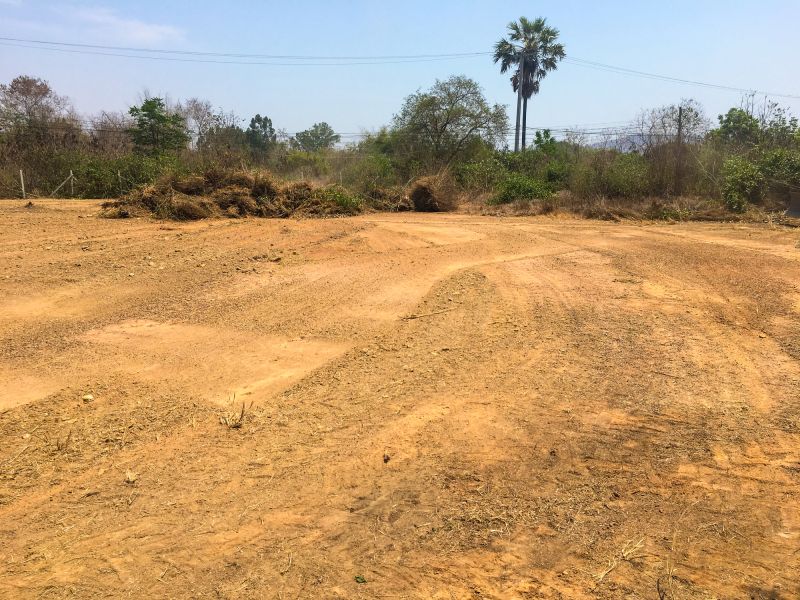
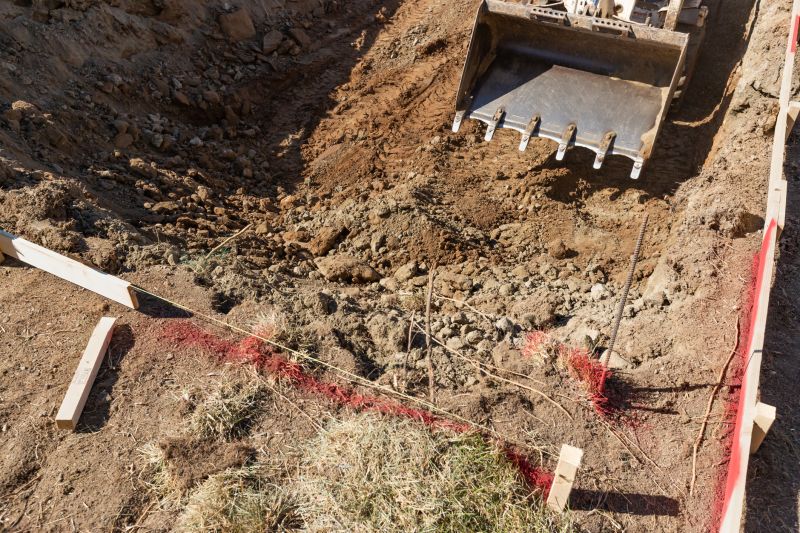
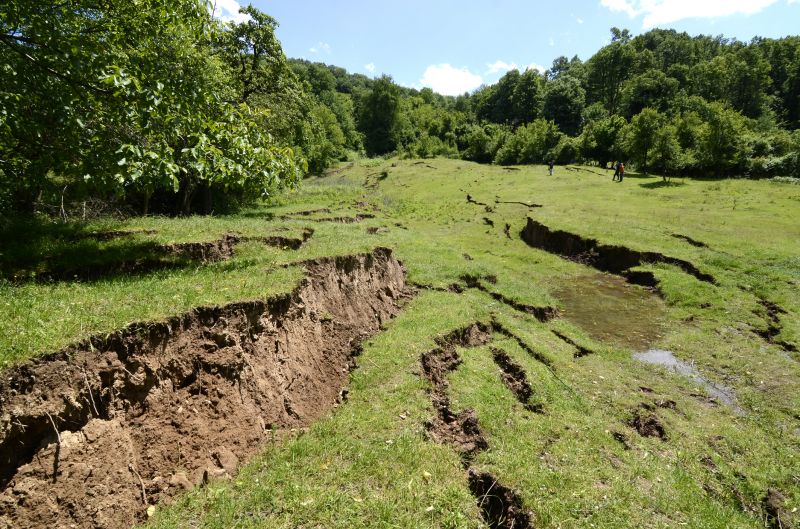
Land grading services involve reshaping the surface of a property’s land to achieve proper slope and drainage. This process typically includes removing excess soil, filling low spots, and contouring the land to direct water away from structures and prevent pooling. Proper grading helps create a stable foundation for landscaping, driveways, and building projects, ensuring that water flows naturally and does not accumulate where it can cause damage or inconvenience.
One of the primary problems land grading addresses is poor drainage. When a property’s land is uneven or improperly sloped, water can collect around foundations, leading to potential flooding, erosion, or basement issues. Grading can also help mitigate issues caused by runoff from neighboring properties or heavy rain, reducing the risk of water damage and soil erosion over time. By regrading the land, homeowners can improve drainage efficiency and protect their property from water-related problems.
Land grading services are commonly used on residential properties, especially during new construction or landscaping projects. Homeowners planning to install new lawns, patios, or driveways often require grading to ensure a smooth, even surface that drains properly. It is also useful for properties experiencing issues with standing water or erosion, as well as those preparing for landscaping or planting projects that need a stable, well-drained soil base. Commercial properties and large estates may also utilize grading services to maintain proper land contours and drainage patterns.
Typically, properties that are on uneven terrain, have suffered from soil erosion, or are experiencing water pooling benefit from land grading. This service can be essential for homes located on slopes or in areas prone to heavy rainfall. Whether preparing a site for construction or simply improving existing drainage, contacting local contractors who specialize in land grading can provide the expertise needed to address these issues effectively. Proper grading ensures that the land functions as intended, supporting both the stability and longevity of the property.
The overview below groups typical Land Grading projects into broad ranges so you can see how smaller, mid-sized, and larger jobs often compare in your area.
In many markets, a large share of routine jobs stays in the lower and middle ranges, while only a smaller percentage of projects moves into the highest bands when the work is more complex or site conditions are harder than average.
Smaller Repairs - Typical costs for minor land grading tasks like fixing slopes or drainage issues usually fall between $250 and $600. Many routine jobs land within this range, depending on the scope and site conditions.
Moderate Projects - Medium-sized land grading services, such as preparing a yard for landscaping or driveway installation, often cost between $1,000 and $3,000. These projects are common and represent the middle of the cost spectrum.
Large-Scale Grading - Larger projects involving extensive site leveling or preparing multiple acres can range from $3,500 to $10,000 or more. Such jobs are less frequent and typically involve complex terrain or heavy equipment.
Full Land Regrading - Complete overhauls of land elevation, often needed for major construction or development, can exceed $15,000. These high-end projects are less common and depend heavily on site size and complexity.
Actual totals will depend on details like access to the work area, the scope of the project, and the materials selected, so use these as general starting points rather than exact figures.
Site Excavation - involves earthmoving and grading skills similar to land leveling, often required for preparing sites for construction or landscaping projects.
Drainage System Installation - requires precise grading and planning to ensure proper water flow, making it relevant for projects focused on land shaping and water management.
Foundation Grading - involves preparing the ground to provide a stable base for structures, sharing techniques used in land leveling and site preparation.
Landscape Grading and Reshaping - includes reshaping terrain to improve aesthetics and functionality, utilizing similar earthmoving tools and planning methods as land grading.
Retaining Wall Construction - involves grading and earthwork to create level areas and manage slopes, requiring similar skills in soil assessment and land shaping.
Erosion Control Projects - focus on stabilizing soil and managing runoff, often involving grading techniques to protect land and improve drainage.
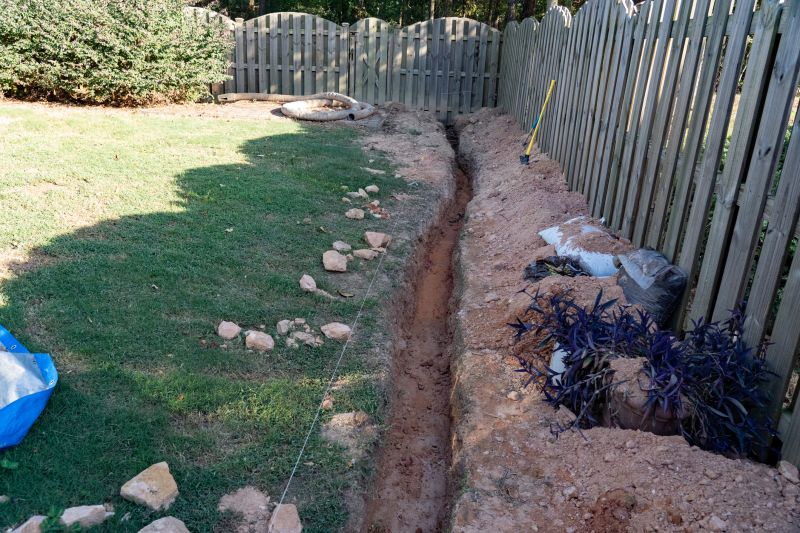
When evaluating land grading service providers, it’s important to consider their experience with projects similar to your own. A contractor’s familiarity with the specific requirements of your site-such as soil type, slope adjustments, or drainage needs-can influence the quality and durability of the work. Asking about their past projects or requesting examples of completed work can help gauge their expertise and comfort level with your particular project scope.
Clear, written expectations are essential for a successful land grading project. Reputable service providers should be able to provide detailed descriptions of the work scope, materials, and methods they plan to use. Having this information in writing helps ensure everyone is aligned on the project’s goals and prevents misunderstandings. It also provides a reference point should questions or issues arise later in the process.
Good communication and reputable references are key indicators of a reliable contractor. Service providers who are responsive and transparent about their processes tend to be easier to work with. Additionally, obtaining references from previous clients allows for insight into the contractor’s professionalism, reliability, and quality of work. While the site introduces local options, it’s important for homeowners to independently verify these aspects to find a trusted partner capable of handling their land grading needs effectively.
Property owners use Land Grading services for practical projects around their homes and businesses. This guide focuses on everyday jobs and straightforward project options.
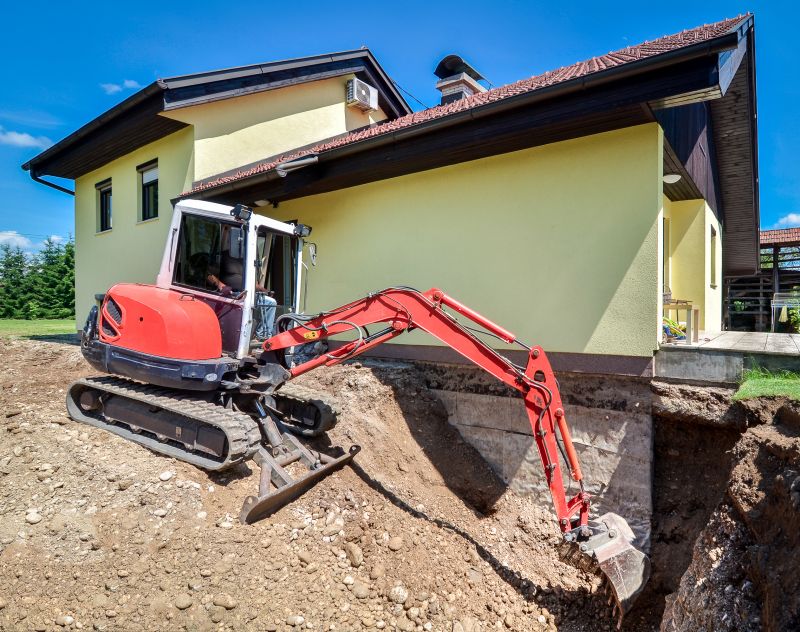
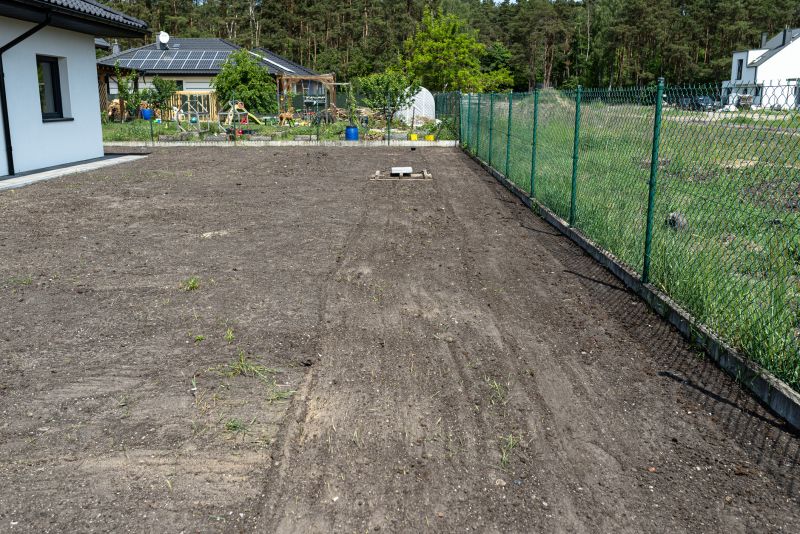
Land grading services are often needed when property owners want to improve drainage around their homes or commercial buildings. Whether it's preparing a yard for new landscaping, preventing water from pooling in certain areas, or ensuring a foundation remains stable, local contractors can provide the necessary grading work. These projects are common after heavy rains or when property owners notice uneven surfaces, helping to create a safer and more functional outdoor space.
Property owners might also seek land grading when planning for new construction or renovations. Proper grading can help direct water away from structures, reduce soil erosion, and prepare the land for additional work such as paving or planting. Local service providers are available to assess the site and perform grading that meets the specific needs of each project, ensuring the land is properly shaped and prepared for its intended use.
What is land grading? Land grading involves leveling or shaping the land surface to improve drainage, stability, and prepare the site for construction or landscaping projects.
Why is land grading important before construction? Proper land grading ensures proper water drainage, reduces erosion risks, and provides a stable foundation for building structures.
How do I find local contractors for land grading? You can contact local service providers who specialize in land grading to compare options and find the right professional for your project.
What equipment is typically used for land grading? Land grading often involves equipment such as bulldozers, graders, and excavators to achieve the desired land contours.
What factors should be considered when planning land grading? Factors include the land’s slope, drainage requirements, soil type, and the intended use of the land to ensure proper grading and stability.
Prepare for Landscaping Projects - Proper land grading ensures a stable foundation for lawns, gardens, and other outdoor features.
Install Drainage Systems - Effective grading helps redirect water away from buildings to prevent flooding and water damage.
Build a Flat Yard - Leveling the land creates a safe, even surface ideal for patios, play areas, or sports courts.
Improve Soil Stability - Proper grading can enhance soil drainage and reduce erosion around the property.
If you are thinking about Land Grading for a property, this guide is meant to help you understand the work, the typical project types, and how different options might fit your plans.
When you are ready, you can use the quote form on this page to share a few details about your project. From there, local pros can review the basics and respond with options that match what you have in mind.